
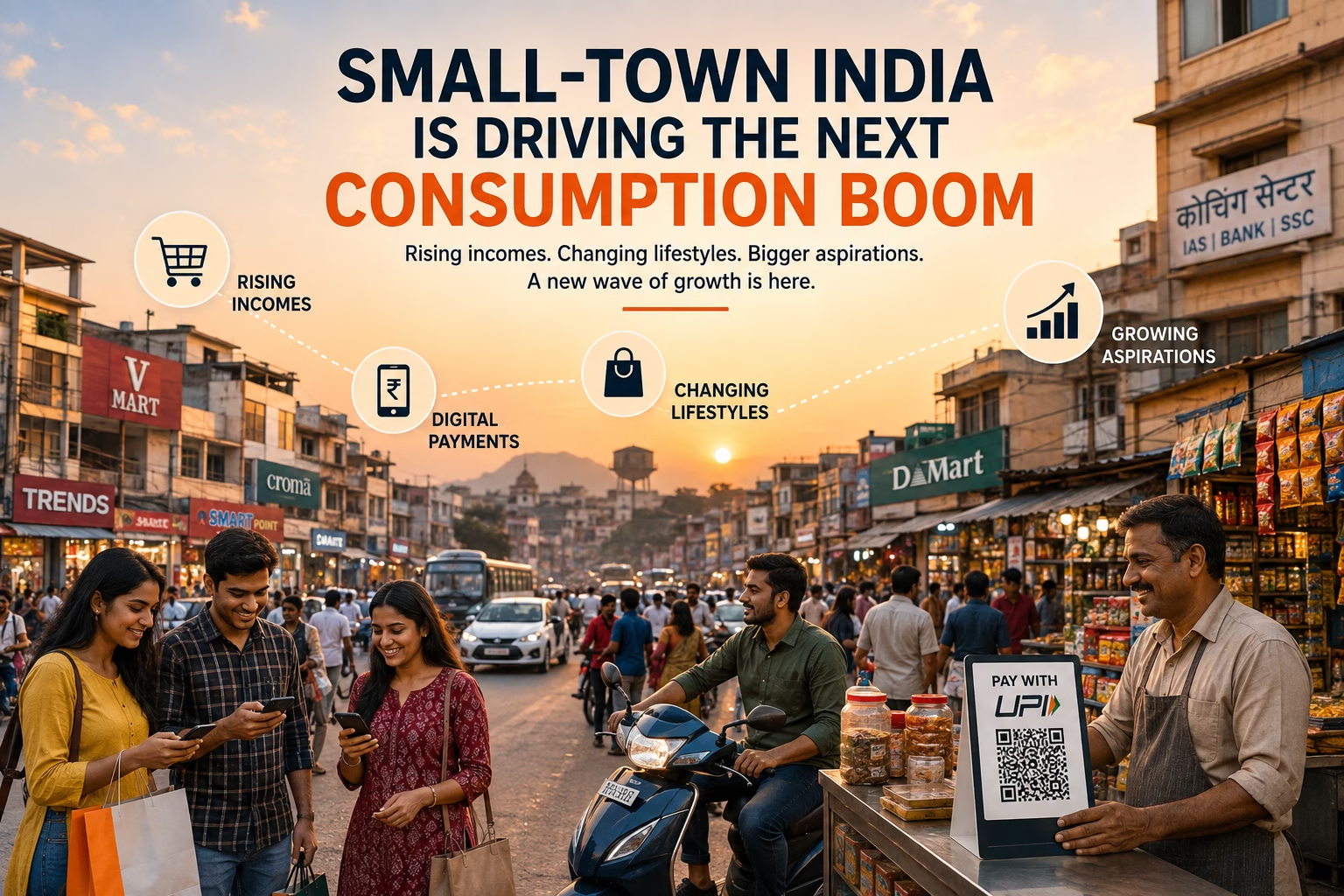
India’s biggest consumer opportunity is no longer limited to Mumbai, Delhi, or Bengaluru. The next wave of economic growth is unfolding in Tier-2 and Tier-3 cities, where rising incomes, digital adoption, easier access to credit, and changing lifestyles are reshaping spending habits across the country.
For years, India’s growth story revolved around its metropolitan cities. Premium shopping malls, luxury restaurants, high-end retail, and technology adoption were largely concentrated in urban hubs. But that narrative is rapidly changing.
Today, towns like Indore, Lucknow, Surat, Coimbatore, Rajkot, Ranchi, Siliguri, Bhubaneswar, Nagpur, and countless district headquarters are emerging as powerful consumption engines. These cities are no longer just markets waiting to mature—they are actively shaping India’s economic future.
The shift is visible not only in government data and corporate earnings but also in everyday life.
A Tea Stall Explains India’s Economic Transformation
Perhaps the simplest way to understand India’s consumption boom is to visit a roadside tea stall.
A decade ago, customers searched for loose change before ordering tea. Today, nearly every tea vendor displays multiple UPI QR codes from different payment apps.
The impact goes beyond cashless transactions.
When payments become frictionless, spending naturally increases.
Instead of purchasing only a ₹15 cup of tea, customers often add biscuits, snacks, or cold beverages because digital payments eliminate the psychological barrier of carrying limited cash.
This seemingly insignificant behavioural change is happening millions of times every day across India, quietly adding momentum to the country’s consumer economy.
India’s Small Towns Are Spending Like Never Before
Walk through a busy market in cities like Kota, Karnal, Jabalpur, Bhagalpur, or Sangli during weekends.
The streets tell a story that statistics often fail to capture.
You’ll find:
- Branded apparel stores filled with shoppers.
- Premium mobile phone outlets witnessing steady demand.
- Coffee cafés packed with young professionals.
- Jewellery stores reporting healthy footfall.
- Electronics retailers selling smart televisions, washing machines, and air conditioners.
- Restaurants with waiting lists during weekends.
These are no longer isolated metro trends.
The aspiration to own better products and enjoy improved lifestyles has spread across the country.
The Smartphone Revolution Changed Everything
Affordable internet and smartphones have fundamentally altered consumer behaviour.
Earlier, a customer in a small town had access only to products available in nearby markets.
Today, the same customer can compare prices, watch product reviews, read ratings, and order premium brands online within minutes.
Whether it’s a skincare product, branded footwear, fitness equipment, or home appliances, geographical limitations have almost disappeared.
Consumers are making informed buying decisions, and companies are benefiting from a much larger addressable market.
Why Every Major Brand Is Expanding Beyond Metros
India’s largest companies are no longer treating Tier-2 and Tier-3 cities as secondary markets.
Instead, they see them as future growth engines.
Consumer brands, electronics manufacturers, automobile companies, jewellery retailers, fashion chains, quick-commerce platforms, food delivery apps, and financial institutions are all expanding aggressively into smaller cities.
The reason is simple.
Metro markets are becoming increasingly competitive, while demand in smaller cities continues to rise rapidly.
Businesses are following customers wherever purchasing power is growing.
Kirana Stores Are Quietly Reinventing Themselves
India’s neighbourhood grocery stores remain one of the strongest symbols of local entrepreneurship.
But today’s kirana shop looks very different from what it was five years ago.
Many now offer:
- Digital payments
- WhatsApp ordering
- Home delivery
- Premium grocery products
- Organic food options
- Imported chocolates
- Loyalty programmes
Instead of losing customers to organised retail, thousands of local shopkeepers have modernised their businesses and successfully adapted to changing consumer expectations.
Weddings Reveal India’s Rising Purchasing Power
Wedding season provides another fascinating glimpse into India’s evolving economy.
Across smaller cities, families are spending significantly more on celebrations than they did a decade ago.
Designer clothing, destination weddings, professional photographers, luxury catering, themed decorations, and premium jewellery are becoming increasingly common.
This trend supports hundreds of businesses—from event planners and florists to hotels, travel agencies, photographers, beauty professionals, and local artisans.
The ripple effect of one wedding extends across the local economy.
Education Has Become a Major Consumption Category
One of the strongest indicators of long-term economic confidence is education spending.
Parents across smaller towns are investing heavily in:
- Coding classes
- Spoken English courses
- Online learning platforms
- Competitive examination coaching
- International curriculum schools
- Skill development programmes
Families may postpone buying a new television, but they are far less likely to compromise on education.
This shift is creating opportunities for educational institutions, edtech companies, publishers, and coaching providers.
Tourism Is No Longer Reserved for Metro Families
Domestic tourism has witnessed remarkable growth.
Families from cities like Bareilly, Hisar, Belgaum, Guntur, and Siliguri now plan multiple leisure trips every year.
Weekend vacations, religious tourism, wildlife experiences, beach holidays, and hill station visits have become far more common.
Hotels, airlines, restaurants, travel agencies, local transport operators, and tourist destinations all benefit from this expanding travel culture.
Experiences have become just as important as physical products.
Rural India Is Also Powering Consumption
The story extends beyond urban centres.
A favourable monsoon, better crop prices, and improved rural incomes often translate into higher spending on:
- Motorcycles
- Agricultural equipment
- Home construction
- Consumer electronics
- Gold jewellery
- Packaged consumer goods
This explains why sectors such as FMCG, tractors, paints, cement, and automobiles closely monitor rural demand every year.
A prosperous farming season often supports multiple industries simultaneously.
Small Businesses Are Growing Alongside Consumers
Every increase in household spending creates opportunities for entrepreneurs.
When a new residential colony develops in a Tier-2 city, demand quickly emerges for:
- Grocery stores
- Medical shops
- Restaurants
- Salons
- Gyms
- Coaching centres
- Courier services
- Laundry businesses
- Home maintenance services
Consumption doesn’t only strengthen large listed companies.
It also creates local employment, encourages entrepreneurship, and strengthens regional economies.
Responsible Credit Is Supporting Growth
Another major shift is the growing acceptance of responsible borrowing.
Consumers are increasingly using:
- EMI financing
- Consumer loans
- Buy Now, Pay Later (BNPL)
- Credit cards
- Digital lending platforms
These financing options make quality products more accessible while helping businesses expand their customer base.
When managed responsibly, credit accelerates consumption without compromising financial stability.
India’s Consumers Are Buying Confidence, Not Just Products
The real transformation isn’t simply about higher incomes.
It’s about confidence.
Young professionals are comfortable buying their first car.
Parents are investing in premium education.
Families are travelling more frequently.
Small business owners are expanding operations.
Consumers are upgrading their homes rather than postponing purchases indefinitely.
Every one of these decisions contributes to India’s growing domestic demand.
What This Means for Businesses and Investors
For businesses, the message is becoming increasingly clear.
The next phase of growth will not be driven solely by India’s largest cities.
Companies that understand regional preferences, invest in local distribution, embrace digital commerce, and build trust with consumers across smaller towns are likely to capture the biggest opportunities over the coming decade.
For investors, the trend is equally significant.
Companies with strong exposure to India’s expanding middle class—across retail, consumer goods, financial services, healthcare, education, travel, and digital platforms—could benefit from this long-term structural shift.
The Bottom Line
India’s next consumption boom is not being created inside glass skyscrapers or luxury malls alone. It is unfolding in neighbourhood markets, kirana stores, district headquarters, growing industrial towns, and ambitious households across the country.
From a tea seller accepting UPI payments to first-time homebuyers furnishing new apartments, from parents investing in coding classes to families taking their annual vacation, millions of everyday decisions are collectively reshaping India’s economic landscape.
The future of India’s consumer story will not be written only in Mumbai or Bengaluru. It will increasingly be authored in Indore, Lucknow, Coimbatore, Surat, Ranchi, Bhubaneswar, and hundreds of other towns where aspirations are rising faster than ever before.
As businesses, investors, and policymakers look ahead, one reality stands out: Small-town India is no longer following the growth story—it is leading it.
