
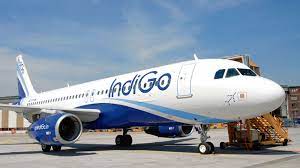
Shares of InterGlobe Aviation, the parent company of IndiGo airline, declined nearly 2% on December 30, as investors reacted to a dip in market share in November and the airline’s decision to revise pilot allowances amid ongoing operational adjustments.
According to data released by the Directorate General of Civil Aviation (DGCA), IndiGo’s domestic market share slipped to 63.6% in November, down from 65.6% in October. The marginal decline comes at a time when the country’s largest airline is working to stabilise operations following widespread flight disruptions earlier this month.
IndiGo has introduced higher allowances for pilots, aiming to improve morale after mass flight cancellations linked to roster planning challenges left thousands of passengers stranded across the country. The revised allowances were communicated to pilots via an internal email from Ashim Mittra, Senior Vice President – Flight Operations.
Under the revised structure, layover allowances for captains have been increased to ₹3,000 from ₹2,000, while first officers will receive ₹1,500 instead of ₹1,000. Allowances for deadheading, where crew members travel as passengers to position themselves for duty, have also been raised. Captains will now receive ₹4,000, up from ₹3,000, while first officers will get ₹2,000, an increase of ₹500.
Additionally, compensation for extended duty beyond the 24-hour window has been enhanced. Captains will now be paid ₹150 per extra hour, compared to ₹100 earlier, while first officers will receive ₹75 per hour, up from ₹50. The night allowance per night hour has also been raised to ₹2,000 for captains and ₹1,000 for first officers.
IndiGo currently employs around 5,000 pilots, according to government data.
At around 11:45 am on December 30, InterGlobe Aviation shares were trading 1.7% lower at ₹4,999 apiece. The stock has declined nearly 15% so far in December.
The airline, which commands over 60% of India’s domestic aviation market, has come under increased regulatory scrutiny and is facing a competition probe after it cancelled approximately 4,500 flights earlier this month. In response to operational disruptions, the aviation regulator had directed IndiGo to reduce its winter flight schedule by 10%.
DGCA data also showed shifting market dynamics in November. SpiceJet’s market share rose to 3.7%, while the Air India Group increased its share to 26.7%. Akasa Air, however, saw its market share decline to 4.7% during the month.
Domestic air travel demand remained strong during the festive season in November, though momentum moderated toward the end of the month amid operational challenges. On-time performance across major airlines declined sequentially due to weather-related disruptions, with IndiGo’s punctuality slipping notably during the period.
Disclaimer:
This article is for informational purposes only and does not constitute investment advice or a recommendation to buy or sell any securities. Stock market investments are subject to market risks. Readers should consult a qualified financial advisor before making any investment decisions. The author and publisher are not responsible for any losses arising from the use of this information.
