
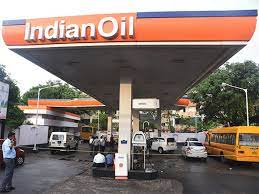
India’s fuel retail network has crossed the landmark of 100,000 petrol pumps, nearly doubling over the past decade as state-owned oil marketing companies stepped up expansion to meet rising vehicle demand and improve fuel access in rural and remote areas, according to a report by The Economic Times.
With this rapid growth, India now has the world’s third-largest fuel retail network, behind only the United States and China, both of which operate around 110,000–120,000 stations across far larger geographies. The expansion has significantly reduced fuel availability gaps outside major cities and intensified competition among oil companies, leading to improved customer service standards.
Data cited in the report shows that rural outlets now account for about 29% of India’s total fuel stations, up from 22% a decade ago. Fuel stations have also diversified beyond traditional petrol and diesel sales, with nearly one in three outlets now offering alternative energy options such as compressed natural gas (CNG) and electric vehicle (EV) charging facilities.
Despite policy reforms aimed at opening the sector, private players continue to have a limited presence, holding less than 10% of the market. Reliance Industries operates around 2,100 outlets, while Nayara Energy runs roughly 6,900 stations. Industry executives noted that continued government control over fuel pricing has deterred large-scale private investment and raised concerns about the long-term financial sustainability of the rapid expansion.
Fuel consumption has grown strongly over the past decade, with petrol demand more than doubling and diesel consumption rising by over 30%, pushing overall volumes close to 50% higher. However, demand growth has lagged the pace of new outlet additions, resulting in lower throughput at many stations, particularly in non-urban areas.
Industry experts believe the pace of expansion may now slow, with the network expected to stabilise as India already has sufficient fuel outlets to meet demand in the coming years. Meanwhile, the integration of gas dispensing and EV charging infrastructure is seen as a key revenue driver that could enhance the long-term viability of fuel stations as the energy transition gathers pace.
